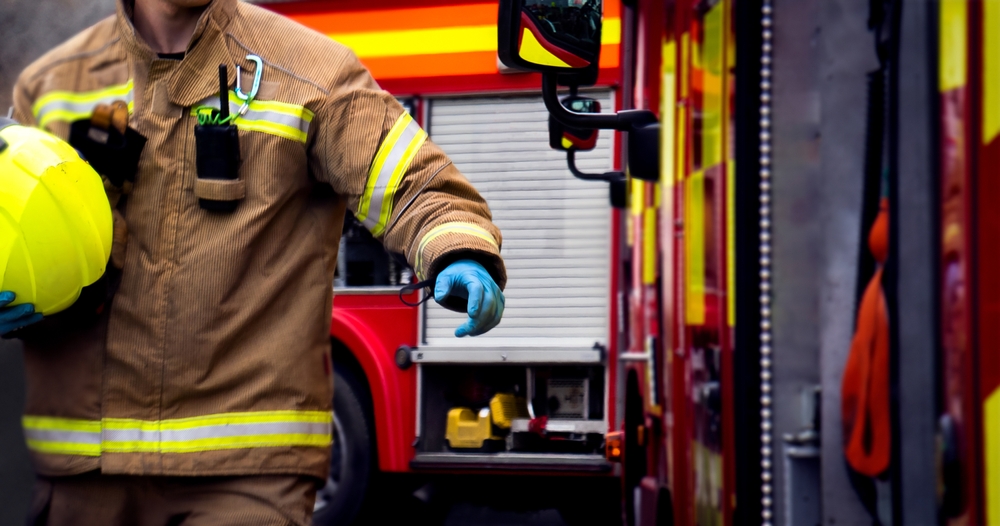
When disasters strike, response teams move first. Whether it is a flood, earthquake, wildfire, or public health emergency, disaster management crews operate in high-pressure conditions where every decision matters. Their ability to act quickly and effectively can mean the difference between chaos and control.
Yet while we often discuss emergency plans and relief supplies, we rarely focus on the people who carry them out. The real question is this: how can we empower the disaster management crew so they can respond with confidence, speed, and resilience?
Empowerment goes beyond providing equipment. It involves training, leadership, mental health support, funding, and strong coordination systems. When disaster management teams feel prepared and supported, they perform better under stress and recover more quickly after operations.
This blog discusses practical ways to strengthen disaster response teams and build a system that supports them before, during, and after emergencies.
Invest in Continuous Training and Skill Development
Preparedness begins long before a disaster occurs. Regular, structured training is one of the most effective ways to empower disaster management crews.
Emergency scenarios are unpredictable. However, the response process should never be improvised. Ongoing drills and simulations allow teams to practice procedures in realistic environments. This builds confidence and reduces hesitation when real emergencies happen.
Simulation-Based Exercises
Scenario-based drills help crews experience real-time decision-making. These exercises improve coordination, communication, and situational awareness. They also highlight weaknesses in planning before they become critical problems.
Cross-Agency Training
Disaster response rarely involves a single department. Police, fire services, medical teams, local authorities, and volunteers must work together. Joint training sessions improve collaboration and reduce confusion during real events.
When asking how we can empower the disaster management crew, structured training is always the first answer.
Provide Modern Technology and Reliable Equipment
Technology has transformed disaster response. Real-time data, GPS systems, drones, and communication platforms improve speed and accuracy. However, technology must be reliable and accessible.
Outdated tools slow down operations and increase risk. Empowered teams need:
- Mobile communication devices with backup connectivity
- Early warning systems
- Geographic information systems for mapping
- Drones for damage assessment
- Portable medical and rescue equipment
Technology should simplify coordination, not complicate it. When tools are easy to use and dependable, crews focus on saving lives rather than managing systems.
Access to accurate information in real time improves decision-making and reduces unnecessary exposure to danger.
Strengthen Leadership and Clear Command Structures
Leadership plays a critical role in disaster management. During emergencies, teams look to leaders for direction and reassurance.
Clear command structures reduce confusion. Every member must understand their role and reporting lines. When responsibilities are clearly defined, decisions move faster and duplication of effort is avoided.
Decision-Making Under Pressure
Effective leaders remain calm and decisive. They balance urgency with clarity. Leadership training should focus on stress management, communication, and risk assessment.
Transparent Communication
Open communication builds trust within teams. Leaders who provide clear updates reduce uncertainty and prevent misinformation. In disaster scenarios, clarity can save lives.
Improve Coordination and Communication Systems
One of the biggest challenges during disasters is fragmented coordination. Multiple agencies may operate in the same area without unified systems.
Integrated communication platforms allow teams to share updates in real time. Shared databases improve information flow between emergency services, health authorities, and government agencies.
Standardized protocols also prevent misunderstandings. When all organizations follow consistent guidelines, response efforts become more efficient.
Communication must be resilient. Backup systems should exist in case primary networks fail. Reliable communication strengthens safety and operational control.
Support Mental Health and Emotional Resilience
Disaster management is emotionally demanding work. Teams witness trauma and loss. Prolonged exposure to high-stress environments can lead to burnout or long-term psychological strain.
Supporting mental health is not optional. It is essential for sustained performance.
Decision-Making Under Pressure
Providing professional counseling helps crew members process difficult experiences. Confidential support encourages early intervention before stress escalates.
Post-Operation Debriefing
Structured debrief sessions allow teams to reflect on what happened. These sessions improve learning while giving space to address emotional challenges.
Ensure Adequate Funding and Resource Allocation
Even the most skilled teams cannot perform without proper resources. Sustainable funding ensures that equipment is maintained, training is ongoing, and staffing levels remain sufficient.
Budget planning should include:
- Equipment upgrades
- Technology integration
- Emergency supply stockpiles
- Continuous training programs
Proactive investment is more cost-effective than reactive spending after a disaster. Governments and organizations that prioritize preparedness reduce long-term recovery costs.
Financial stability allows disaster crews to focus on response rather than resource shortages.
Engage Communities in Preparedness Efforts
Empowerment extends beyond the crew itself. Community involvement reduces pressure on emergency responders.
Public awareness campaigns, evacuation drills, and first aid training programs strengthen local readiness. When citizens understand emergency procedures, response teams can concentrate on complex rescue tasks rather than basic coordination.
Community trust also improves compliance with emergency instructions. Clear public communication builds cooperation during high-risk situations.
Strong partnerships between disaster management teams and communities create a culture of shared responsibility.
Encourage Innovation and Continuous Improvement
Every disaster offers lessons. Capturing those lessons is essential for progress.
Post-incident reviews should analyze strengths and weaknesses in response efforts. This includes evaluating communication gaps, equipment limitations, and coordination challenges.
Encouraging innovation allows disaster management systems to evolve. Emerging risks such as climate change and urban population growth demand adaptable strategies.
When organizations continuously refine their approach, disaster crews operate within a learning culture rather than a static framework.
Conclusion
So, how can we empower the disaster management crew? The answer lies in preparation, structure, and sustained support.
Training builds confidence. Technology improves accuracy. Leadership provides direction. Mental health support ensures resilience. Funding secures readiness. Community engagement strengthens collaboration.
Empowerment is not achieved through a single policy or program. It requires a comprehensive system that values people as much as plans.
In a world facing increasing environmental and social challenges, disaster management crews must be equipped, supported, and respected. When they are empowered, communities are safer and recovery is faster.
Frequently Asked Questions (FAQ)
Empowering disaster management crews means giving them the training, tools, leadership support, and resources they need to respond effectively. It ensures they can make confident decisions, coordinate properly, and operate safely during emergencies.
We can improve disaster response teams through regular training, clear leadership structures, reliable communication systems, modern equipment, and mental health support. Strong coordination and proper funding also help teams respond faster and more effectively.
Training prepares disaster crews for real emergencies. It improves decision-making, strengthens teamwork, and reduces confusion during high-pressure events. Regular drills help teams respond quickly and accurately when disasters occur.
Technology helps disaster management crews by improving communication, tracking resources, and assessing damage quickly. Tools like GPS systems, drones, and digital mapping allow teams to respond faster and make better decisions during emergencies.
Mental health support is important because disaster teams face stressful and traumatic situations. Counseling, debrief sessions, and rest periods help prevent burnout and ensure crews remain focused, resilient, and capable during long emergency operations.