
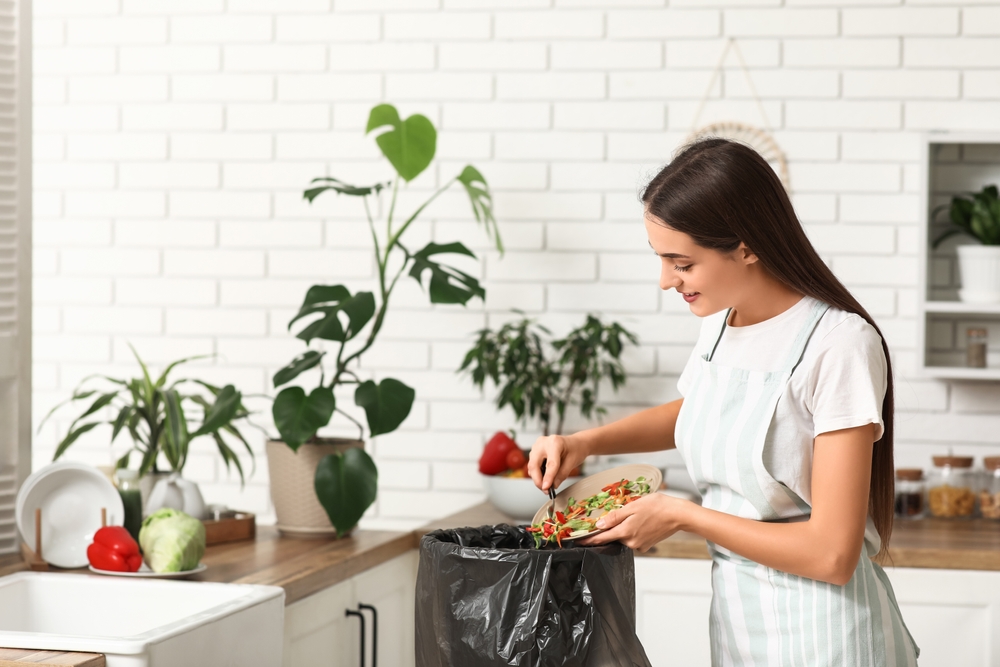
Food waste rarely feels urgent. It shows up in small, quiet moments. Tomatoes soften on the counter. Leftovers sit too long. Bread goes stale, and throwing it away seems easier than fixing the problem. No one intends to waste food. Life moves quickly, and food is forgotten. Yet these small losses carry a bigger impact. Wasted food means wasted water, energy, land, and money. The solution does not require perfection. It requires awareness and simple habits. This guide explains how to manage food waste for a greener future through smarter planning, better storage, and practical daily actions at home or in business.
Why Food Waste Matters More Than Most People Think ?
Food waste is not only about food ending up in the bin. It is about the wasted effort behind it. Food requires farmland, irrigation, labour, fuel, refrigeration, and storage. When food is discarded, those inputs are discarded too. That is why food waste is part of bigger conversations about sustainability and climate.
There is also the issue of landfill. When food breaks down in landfill, it can contribute to emissions. While composting can reduce this impact, prevention remains the most effective option because it avoids waste before it exists. In simple terms, the greenest food is the food you buy and actually eat.
A useful way to think about waste reduction is to follow a simple order. First, prevent waste by buying and cooking smarter. Second, use or share surplus when possible. Third, recycle scraps through composting or collection if those options exist where you live. Once you start using this mindset, waste reduction becomes a practical routine rather than a guilt-driven effort.
Start with Prevention: Planning That Still Feels Flexible
Most food waste begins before cooking. It often starts at the shopping stage. People buy with the best intentions, then the week changes. Plans shift, energy drops, or unexpected meals happen outside the home. The result is food that sits untouched until it is no longer usable.
The solution is not perfect meal planning. The solution is flexible planning.
Shop with a Short Plan, Not a Perfect One
Instead of planning seven detailed meals, plan three or four main meals and keep the rest open. Build those meals around ingredients that overlap so one item supports multiple dishes. For example, if you buy herbs, use them across salads, eggs, soups, and rice dishes rather than for one recipe only.
Before shopping, take one minute to check your fridge and pantry. You are not doing a full inventory. You are simply reminding yourself what needs to be used soon. This quick habit reduces repeat purchases and prevents food from being forgotten.
Create an “Eat-First” Routine
One of the easiest ways to reduce food waste is to create an “eat-first” area in your fridge. It can be one shelf or one container. Place food that needs to be used soon there, such as leftovers, opened dairy, or produce that has softened.
This changes daily decisions. When you open the fridge, you immediately see what should be eaten first. It turns good intentions into action without adding effort.
Store Food So It Lasts Longer and Stays Visible
Food often goes to waste for two reasons. It spoils faster than expected, or it gets hidden behind other items. Better storage prevents both problems.
Reduce Spoilage with Small Storage Habits
Many foods last longer with small adjustments. Keep leafy greens dry and store them in a sealed container with a paper towel. Store herbs in a jar with a little water if you want them to last. Freeze bread if you will not finish it in a couple of days. Use airtight containers for leftovers and keep them at the front of the fridge, not at the back.
Clear containers make a bigger difference than most people realize. When you can see the food, you are more likely to eat it. Add a simple date label using tape if you often forget when something was cooked.
Understand Date Labels Without Panic
A lot of food is wasted because people treat all dates the same. Some labels refer to quality, not safety. That does not mean you should ignore them. It means you should not automatically throw food away just because a date passed yesterday. Store food properly, look for obvious signs of spoilage, and follow your local food safety guidance when unsure. The key is not to rely only on dates when the food still looks and smells fine.
Cook and Serve in a Way That Makes Waste Unlikely
Even with good shopping and storage, waste can still happen during cooking. This is often due to overcooking, over-serving, or treating leftovers like a backup plan rather than part of the plan.
Make Leftovers a Planned Meal
Leftovers work when they have a clear place in your week. Instead of saying “we will eat it sometime,” decide that one evening is a leftover meal. This reduces waste and also saves time.
If you do not enjoy eating the same meal twice, transform leftovers into something new. Rice becomes fried rice. Cooked vegetables become soup. Roasted chicken becomes wraps or sandwiches. If you do not plan to eat leftovers within two days, freeze portions early. Freezing is not a last resort. It is a smart strategy.
Serve Smaller Portions First
Portion waste is common, especially in families. Start with slightly smaller servings and allow second helpings. This simple shift reduces the amount left on plates and makes leftover management easier. It also helps people eat more mindfully, which supports health as well as sustainability.
Practical Food Waste Reduction for Restaurants and Businesses
Businesses waste food differently than households. The biggest causes are overproduction, spoilage, and plate waste. The fastest improvements usually come from measurement and small operational changes.
Track Waste for One Week
You do not need an advanced system to start. For one week, track what is being thrown away and why. Is it prep waste, expired stock, overcooked batches, or uneaten food from plates? Once patterns are visible, solutions become clearer.
Many businesses discover that small changes in ordering frequency, storage procedures, or prep timing reduce waste quickly.
Design Menus That Use Ingredients Across Dishes
Menus can either increase waste or reduce it. When multiple dishes share ingredients, stock moves faster. When a menu relies on unique ingredients for every item, spoilage becomes more likely. Seasonal specials can also help you use ingredients that are nearing the end of freshness without compromising quality.
For cafés and restaurants, training staff on storage, portioning, and prep control is also essential. Waste reduction improves when the whole team understands the goal and can contribute ideas.
Conclusion
If you want to know how to manage food waste for a greener future, start with prevention. Buy what you will use, store it properly, and make leftovers part of your plan. When scraps remain, compost or recycle them responsibly where possible.
These actions are not difficult, but they are powerful when repeated. Food waste reduction saves money, reduces environmental impact, and supports a more sustainable future. The best part is that it starts at home, one realistic routine at a time.
Frequently Asked Questions (FAQ)
The easiest way is to plan a few meals, shop with a list, and keep an “eat-first” section in your fridge. When food is visible and you know what to use next, you waste less without changing your lifestyle.
Composting helps, but prevention matters more. The biggest impact comes from buying less unnecessary food and using what you already have. Composting works best for unavoidable scraps like peels and cores after you reduce spoilage and leftovers.
Businesses can reduce waste by tracking what is thrown away, improving ordering and storage, and adjusting prep quantities. Menu planning that uses overlapping ingredients also reduces spoilage. Small changes in portioning and forecasting often show results fast.
Leftovers are wasted when they are not planned. If you schedule a leftover meal or freeze portions early, they are more likely to be eaten. Clear containers and simple labels also help people use leftovers before they expire.
Fresh produce, bread, dairy, and cooked meals are wasted most often because they spoil quickly or get forgotten. Better storage, freezing, and planning meals around these foods can reduce waste noticeably within a few weeks.