

Knowing what to wear is often less about fashion and more about context. Few style decisions cause as much confusion as choosing between a dinner suit and a business suit. Both are formal, both are tailored, and both can look sharp when worn well. Still, they serve very different purposes.
Wearing the wrong one does not always result in obvious mistakes, but it can quietly signal that you misunderstood the tone of the occasion. When people search for dinner suit vs business suit, they are usually looking for clarity rather than fashion theory.
Most want to know what works in real life, not what sounds good on paper. This guide focuses on practical use, modern expectations, and visual cues that help you make the right decision. By the end, you will know exactly which suit belongs where and why.
Understanding the Role of a Business Suit
A business suit is designed to support everyday professional life. It balances formality with function, allowing the wearer to look confident and appropriate across a wide range of settings. Most business suits are made from wool or wool-blend fabrics that offer breathability, structure, and durability throughout long working hours.
The color palette remains conservative by design. Navy, charcoal, grey, and sometimes brown are preferred because they project authority without distraction. Patterns, when used, are subtle enough to blend into professional environments. The purpose of a business suit is not to stand out, but to signal competence, reliability, and self-awareness.
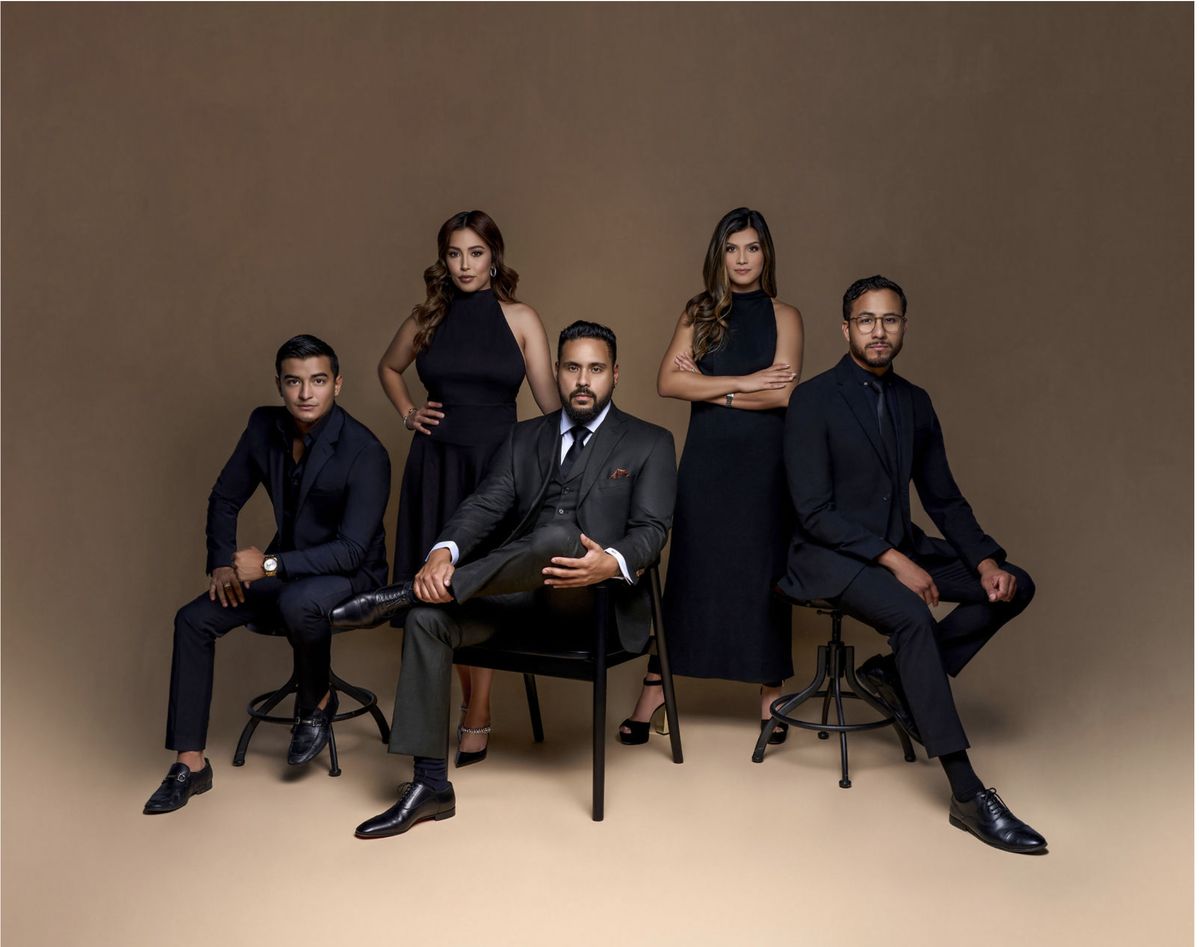
Table of Contents
Why Business Suits Look the Way They Do
The structure of a business suit directly reflects its purpose. Clean lines, matte finishes, and classic proportions are intentional choices. Notch lapels are common because they feel formal without appearing decorative. The overall look is meant to feel composed rather than expressive. In the dinner suit vs business suit comparison, the business suit is designed for repetition. It should look appropriate whether worn three times a week or once a month. Its success lies in how easily it blends into professional spaces while still enhancing the wearer’s presence.
Typical Occasions for a Business Suit
A business suit works best when professionalism is the priority. It is suitable for office settings, job interviews, client meetings, and industry conferences. It is also widely accepted at daytime weddings and formal lunches.
With thoughtful styling, a business suit can transition into early evening events that do not require strict formalwear. A change of tie or shirt is often enough to adapt the look without breaking dress code expectations.
What a Dinner Suit Represents?
A dinner suit is reserved for formal evening occasions. It is also known as a tuxedo, with the term dinner suit being more common in the UK and regions influenced by British tailoring traditions. While the name differs by location, the purpose remains the same.
Unlike a business suit, a dinner suit is not meant to adapt. Its role is specific and ceremonial. It exists to match the elevated atmosphere of formal events and carries a sense of tradition that goes beyond everyday tailoring.
The Visual Difference You Notice First
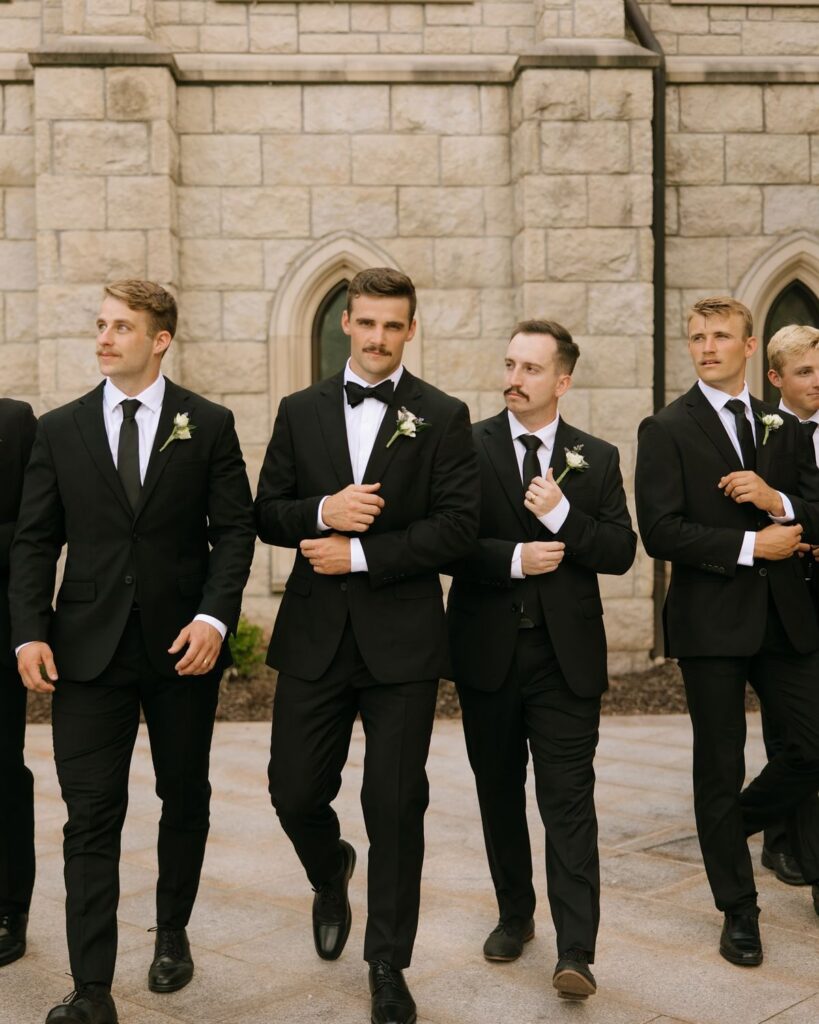
The most immediate difference is the finish. Satin or silk details appear on the lapels, buttons, and trousers of a dinner suit. These elements catch light in a way that matte fabrics do not, creating a more refined and dramatic appearance.
Shawl or peak lapels are typical, and trousers usually feature a satin stripe along the side. These details are never present on business suits, which is why the dinner suit vs business suit distinction becomes clear once you know where to look.
When a Dinner Suit Is Expected
A dinner suit is worn for black tie events, formal weddings, galas, and award ceremonies. These occasions usually take place in the evening and follow traditional dress codes. In these settings, a business suit would feel understated, even if it fits perfectly.
The expectation is not just formality, but respect for the event itself. Wearing a dinner suit signals that you understand the tone and importance of the occasion.
Fabric and Finish in Dinner Suit vs Business Suit
Fabric choice plays a central role in how each suit performs and feels. Business suits prioritize comfort and wearability. The fabric is chosen to look appropriate under daylight and office lighting while remaining comfortable for extended periods.
Dinner suits focus on elegance rather than endurance. The materials are often richer and more structured, designed to hold a sharp silhouette for a limited time. Satin details are added with intention, enhancing the formal character without overwhelming the design.
This contrast in fabric and finish is one of the clearest differences in the dinner suit vs business suit comparison.
Daytime Versus Evening Wear
Time of day is one of the simplest ways to decide between the two. Business suits are made for daytime and early evening use. Dinner suits are traditionally worn after sunset, when formal events begin.
This guideline exists for a reason. The shine and structure of a dinner suit are designed to work under evening lighting. During the day, those same details can feel excessive and out of place.
Can One Suit Replace the Other?
It is common to wonder whether one suit can cover both roles. A business suit can sometimes be dressed up for a formal dinner if the dress code allows flexibility. A dark color, crisp white shirt, and refined accessories can help elevate the look.
A dinner suit, however, should not be used as a replacement for a business suit. The satin accents and ceremonial styling make it unsuitable for professional environments. In the dinner suit vs business suit discussion, substitution only works in one direction.
Fit Matters More Than Style Labels
Regardless of which suit you choose, fit matters more than anything else. A well-fitted business suit will always look better than an expensive dinner suit that sits poorly on the shoulders or waist.
Proper tailoring ensures the suit complements your body rather than drawing attention to flaws. Sleeve length, trouser break, and jacket balance all play a role in how polished the final look appears.
Which Suit Should You Buy First?
For most men, a business suit should be the first investment. It offers versatility and adapts to a wide range of settings with minimal effort. A dinner suit becomes necessary when formal invitations are common or when black tie events are part of your routine.
Understanding dinner suit vs business suit is not about owning both immediately, but about knowing which one fits your lifestyle and social commitments.
Making the Right Choice for Every Occasion
The difference between a dinner suit and a business suit is rooted in purpose rather than preference. One supports professional life, while the other exists for formal celebration. Knowing which suit to wear shows respect for the occasion and confidence in your judgment.
When the question of dinner suit vs business suit arises, the answer is always found in the setting, the time of day, and the expected level of formality.
Frequently Asked Questions (FAQ)
The main difference is formality. A dinner suit is worn for formal evening events, while a business suit is designed for professional and semi-formal settings.
Yes, a dinner suit and a tuxedo are the same garment. The term used depends on regional preference.
A business suit may work for less formal evening events, but it is not suitable for black tie occasions.
A business suit is more versatile because it can be worn in professional, social, and daytime formal settings.
A dinner suit should be worn in the evening for events such as black tie weddings, galas, and award ceremonies.